5 Ways to Design for Attendee Engagement at Large Events
The biggest mistake people make with large events is assuming engagement will just happen. It won’t.
Engagement at events is designed, not assumed. Everyone likes doing cool things, but there has to be a reason for them. If it’s glitz rather than substance, people catch onto that pretty quickly.
You need to start with the story. For every event we do, we ask ourselves, “What is the story here?” and “What are we trying to tell?” . The story isn’t just messaging. It’s how people make sense of where they are, where to go next, and why it matters. When you build moments that make sense together, people stay engaged because it all feels intentional.
Here’s how to intentionally design for attendee engagement.
Create Elements with Cohesion
Cohesion is really what you need to tell a good story. Good design finds a motif and repeats it in different ways throughout the event. Repetition gives the brain orientation. It reduces cognitive load so attendees don’t have to “figure out” the space. They can simply experience it.
When we did Intermountain Health’s Primary Promise Celebration the theme was “circles of care” so everything you saw was circles. From ballons, to the stage and decor, to the surprise performance of “Circles” by Post Malone.


When each element is tied back to the same idea, even if it goes over someone’s head, subconsciously it just works. The attendee may not consciously notice the pattern, but their brain registers consistency, which creates comfort and trust. But, if it’s a hodgepodge, it tells the attendee this was thrown together and that's’ when people start to disengage.
Cohesion shows your attendees their experience was thoughtfully designed.
Consider Attendee Flow
Venues that can hold large events often work against natural flow – you're in a massive space with no clear path. To keep people engaged, you need to keep things moving, and that means designing a flow that feels intuitive.
Good design follows the natural behavior of the attendee. People don’t like to guess where to go. They look for visual cues, movement, light, and other signals that answer the subconscious question, “What am I supposed to do next?”
I try to think like an attendee while designing and ask myself, “How would a human react to this?”. If I wouldn’t want to walk over there, stop at that point, or look at that element, then why am I putting it into the event?
Simple things like light shifts, movement, visual cues, or other sensory changes can subtly guide people through a space. These signals act like wayfinding without signage. They guide attention rather than demand it. These moments help orient attendees and keep them engaged without ever making them feel directed.
Build Moments of Anticipation
To keep the energy of your event high, you want to design peaks, not constant noise. There should be an ebb and flow to the experience. If everything is happening at once, it becomes overwhelming and people mentally check out. The brain needs contrast to stay attentive, moments of buildup followed by release. However, if you wait too long or build up to a single big moment, you risk losing people before you get there.
That’s why it’s important to build anticipation and release throughout the event.
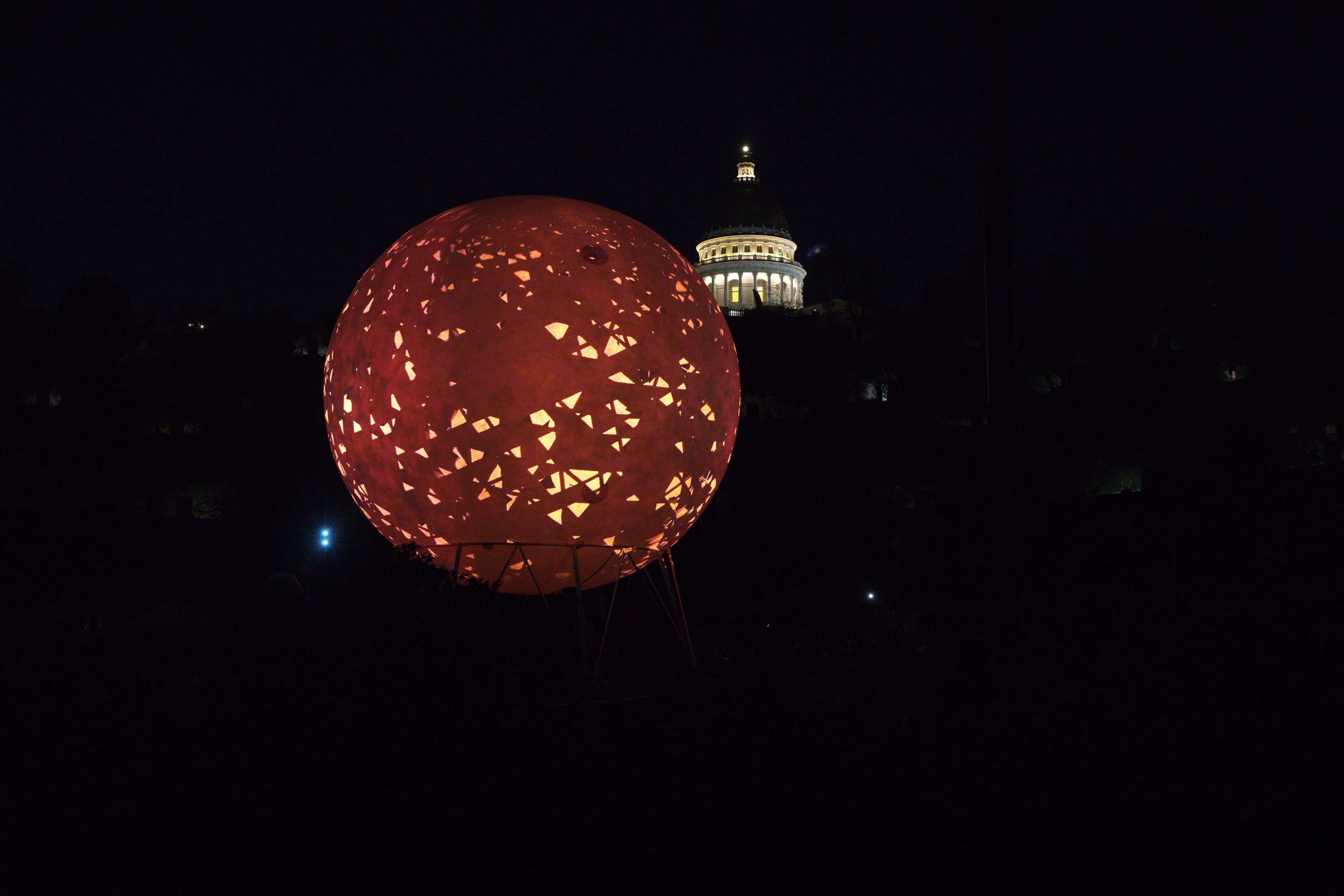
For the Utah Mammoth Mascot Reveal at their home opener, we paced the moment using lighting, sound, and motion to build excitement before the final payoff. Designing these peaks increases engagement because attendees feel like they’re part of the story or part of a shared experience.

Design the Transitions, Not Just the Big Moments
One of the most overlooked engagement tools is the transition between moments. If transitions are abrupt or unclear, attention drops. But when transitions are designed through music, lighting, or staging, they become part of the experience itself.
People don’t disengage during experiences. They disengage in the gaps between them. Thoughtful transitions keep the story continuous, so the audience never feels like they’ve fallen out of it.
Invite Participation without Pressure
Activations are a great way to increase engagement, but not every attendee wants to be on display. Participation should feel optional, natural, and rewarding. Whatever the interaction is, it shouldn’t feel like work – it should feel fun and meaningful.
Good engagement design gives people agency. They can lean in as much or as little as they want, which makes the experience feel welcoming rather than performative.
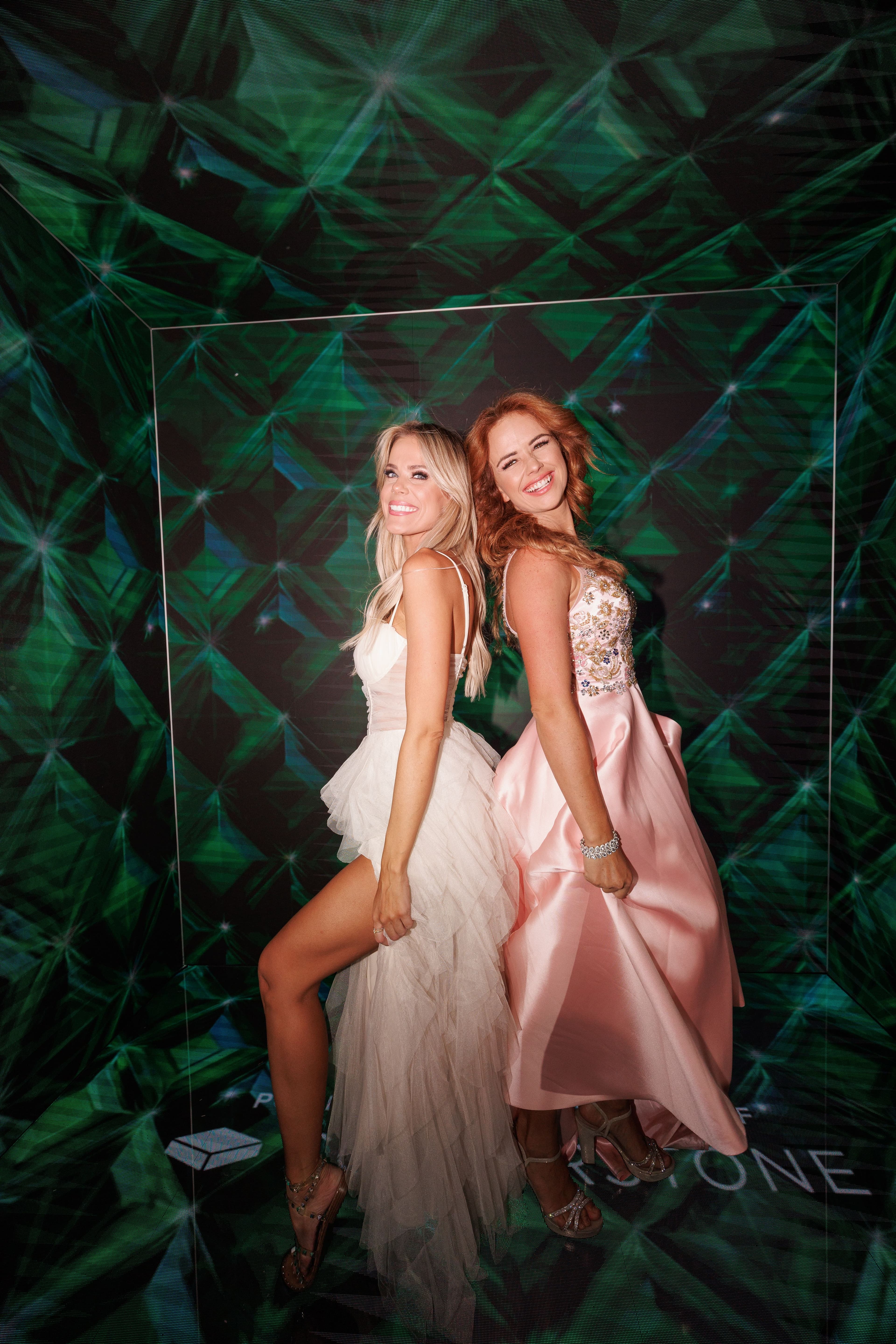
Another way to encourage participation is through micro moments of surprise and delight. Sometimes it’s the small details that make people feel included and connected to the experience. These small discoveries trigger emotional responses like curiosity, joy, and recognition, which are far more memorable than spectacle alone.
Engagement isn’t about scale; it’s about intention. When story and cohesion are clear, attendees feel oriented, invited, and connected. If you design the experience so people feel something - curiosity, excitement, belonging - they will engage.
At its best, event design makes the attendee the hero of the experience. That philosophy is at the core of how we design at Cornerstone — creating environments where engagement is something you can count on.
If you’re curious how we can create engagement for your audience, reach out to our team and we’ll help your vision become reality.